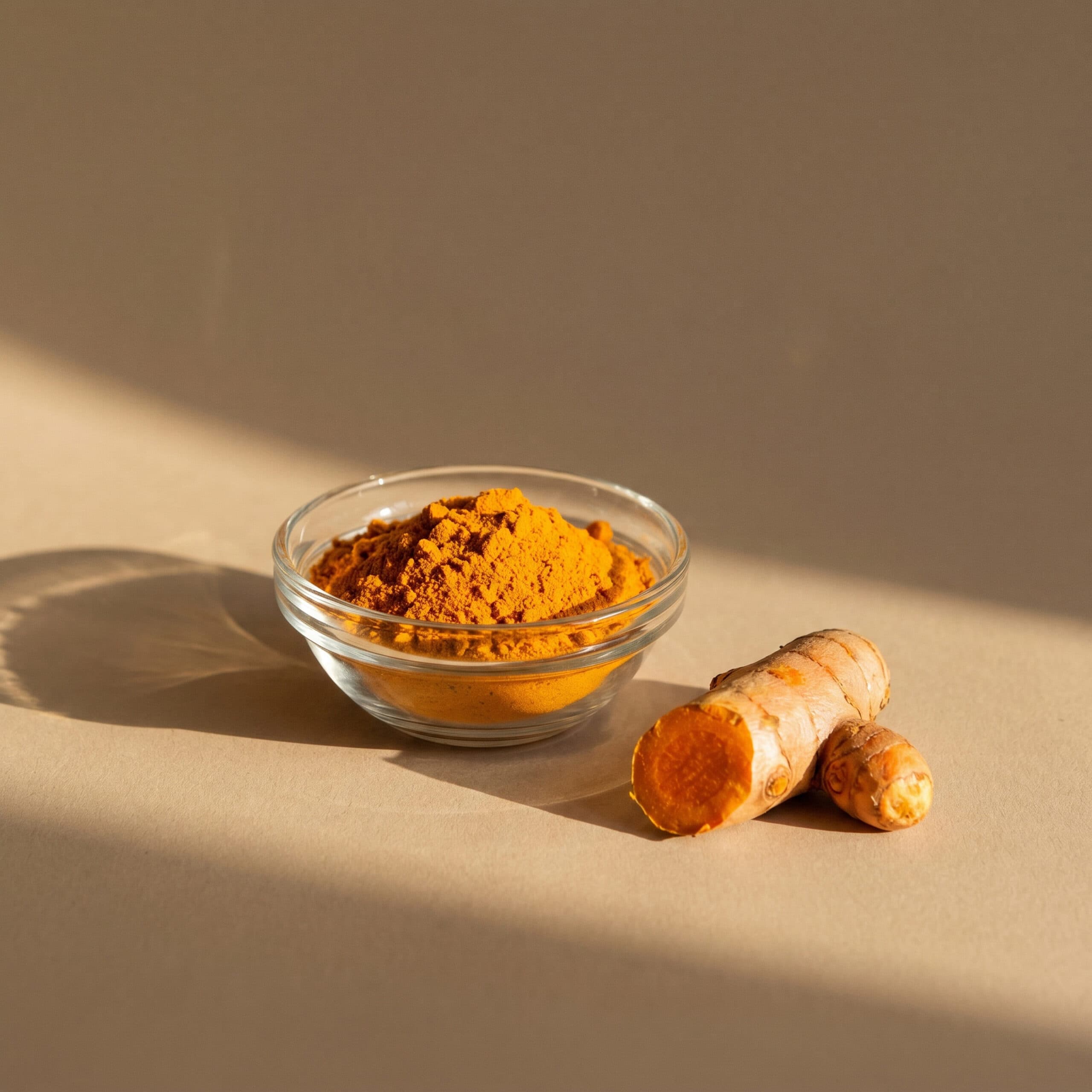
Inflammation has become one of the most talked-about topics in health, and curcumin is often touted as nature’s perfect antidote. Derived from turmeric (and completely unrelated to cumin), this bright yellow compound has attracted attention for its potential to ease symptoms of conditions ranging from arthritis and colitis to diabetes and high cholesterol. And perhaps unsurprisingly for a supplement that has been used medicinally for more than 4,000 years, the science actually supports the hype.
The science
Inflammation is part of the body's natural defense system, helping fight infection and heal injury. But when the response doesn't switch off—a state known as chronic inflammation—it can damage healthy tissue rather than protect it. This lower-grade, persistent inflammation is now understood to play a role in a wide range of conditions, including heart disease, type 2 diabetes, and inflammatory bowel disease. In autoimmune conditions like rheumatoid arthritis and lupus, the immune system goes a step further, mistakenly targeting the body's own tissue—in the case of rheumatoid arthritis, the joints.
“Curcumin may help prevent the runaway train of inflammation excess,” explains Robert Kachko, ND, LAc, Director of Integrative Medicine at the Atria Health and Research Institute. “Curcumin helps to turn off the master switches of inflammation such as NF-kappaB, and thereby reduces cytokines and interleukins, both of which are measured in the bloodstream of people with inflammatory conditions. It also naturally reduces inflammation by blocking the production of the chemical messenger TNF-Alpha.”
In addition, curcumin activates the body’s own production of antioxidants — rather than simply being an antioxidant itself — while reducing free radicals, which are unstable molecules that can damage cells. The natural supplement essentially tells the body to produce more antioxidant defense.
“People with autoimmune diseases or people with high C-reactive protein, erythrocyte sedimentation rate, gamma-glutamyl transferase, ferritin, or oxidative stress markers may want to talk with their doctor about the benefits of this supplement,” says Kachko.
Some researchers have cautioned that more research is needed to definitively show that pure curcumin is a proven antioxidant. Kachko notes that most high-quality curcumin supplements are paired with additives like piperine; it’s possible that these elements work together to produce the benefit.
The potential advantages
Anti-inflammatory benefits
Considerable research has shown curcumin’s ability to manage inflammatory disorders and osteoarthritis pain. An additional set of studies found curcumin extract could reduce knee pain and improve function in patients with knee osteoarthritis. The results were comparable to the effects of over-the-counter nonsteroidal anti-inflammatory drugs (NSAIDs). The researchers noted that further study is needed to identify the ideal dosage and frequency.
Studies also found that for people with ulcerative colitis, curcumin helped drive remission as well as reducing symptoms and inflammation.
Antioxidant benefits
Anti-oxidants help protect our cells against environmental toxins and other risks in part by offsetting the effect of free radicals and, as noted above, by triggering the body’s own production of antioxidants.
A systematic review of more than 66 studies found that curcumin supplements had a sizable impact on antioxidant activity. The authors noted that it “might be used as a viable intervention for improving inflammatory/oxidative status of individuals.”
Metabolic benefits
Although it’s most often associated with anti-inflammatory and antioxidant benefits, curcumin has also shown many advantages for metabolic health. Researchers found the supplement led to a meaningful reduction in body mass index, total cholesterol, and triglycerides in those with metabolic diseases. An analysis of studies found it helped people with type 2 diabetes to reduce body weight and fat mass and improve other risk factors. Curcumin supplements have been found to lead to a decrease in fasting blood glucose levels. Data from 17 randomized controlled trials found a 0.38% reduction in hemoglobin A1c and 7.86 mg/dL reduction in fasting blood glucose in people with metabolic disease taking curcumin.
The natural compound is also notable for helping to significantly lower insulin levels. In a review of more than 14 studies, taking curcumin was shown to lower total cholesterol and reduce the risk of chronic inflammatory metabolic disease.
An analysis of seven randomized studies found curcumin supplements helped significantly reduce low-density lipoprotein cholesterol (LDL-C, which is often called “bad” cholesterol) and triglycerides.
Individual results depend heavily on dose and formulation. Curcumin is best viewed as a supportive management tool rather than a standalone treatment.
Usage guidelines
Who should avoid it
There are a host of medications that have interactions with curcumin, including metformin, aspirin, insulin, semaglutide, and many others.
It’s crucial to check with your doctor before starting a new dietary supplement regimen; if you have a condition like diabetes, they may want to monitor for adverse effects or make a personalized recommendation for dosing.
Curcumin can also significantly alter the way the body metabolizes certain medications, such as blood thinners and some cancer medications. The National Cancer Institute cautions that people undergoing chemotherapy should not take curcumin.
There have also been very rare reports of people experiencing liver damage from high doses of curcumin (as viewers of The Pitt may know) so be careful to check the dosing. It’s best to avoid this supplement if you have liver inflammation or a related condition.
Choosing the right supplement
Curcumin’s main limitation is low bioavailability, which restricts natural absorption. To overcome this, scientists developed specialized delivery methods. The Arthritis Foundation advises using formulations enhanced with piperine (black pepper extract) or optimized complexes like CurcuWIN to improve bloodstream uptake.
Also, not all supplements are created equal. For safety, look for a medical-grade supplement that is third-party tested and NSF certified in the U.S. to ensure that the label matches what’s actually in the bottle. Good Manufacturing Practice (GMP) labels are a good place to start.
Cooking with turmeric, oil, and black pepper significantly boosts your body's absorption of curcumin. While culinary amounts offer excellent baseline antioxidant support, they provide a much lower dose than concentrated supplements, so food alone won't deliver full therapeutic effects.
Take the right dose
The amount of curcumin you’ll need depends on your health goals. “We generally recommend that an anti-inflammatory dose start at around 1,500 to 2,000 mg,” says Kachko. “You won’t get much benefit above that. If you’re looking for metabolic benefits, the dose would be around 1,000 to 1,500 mg.”
“There’s a desire sometimes to think that more is better. That is not the case,” cautions Kachko. “There's an upper limit beyond which there is no added benefit. Also, just because it’s natural doesn’t mean it’s harmless. Consider your health goals, current medications, and discuss these with your doctor.”
The bottom line
Curcumin has the potential to reduce the risk of many chronic health conditions while improving the quality of life for those with these ailments. Choosing the brand and dosage carefully can help avoid potential safety issues. Also, supplements alone aren’t a panacea. When included as part of a holistic plan—including diet, exercise, sleep hygiene, and stress reduction—they can go a long way to supporting better health.