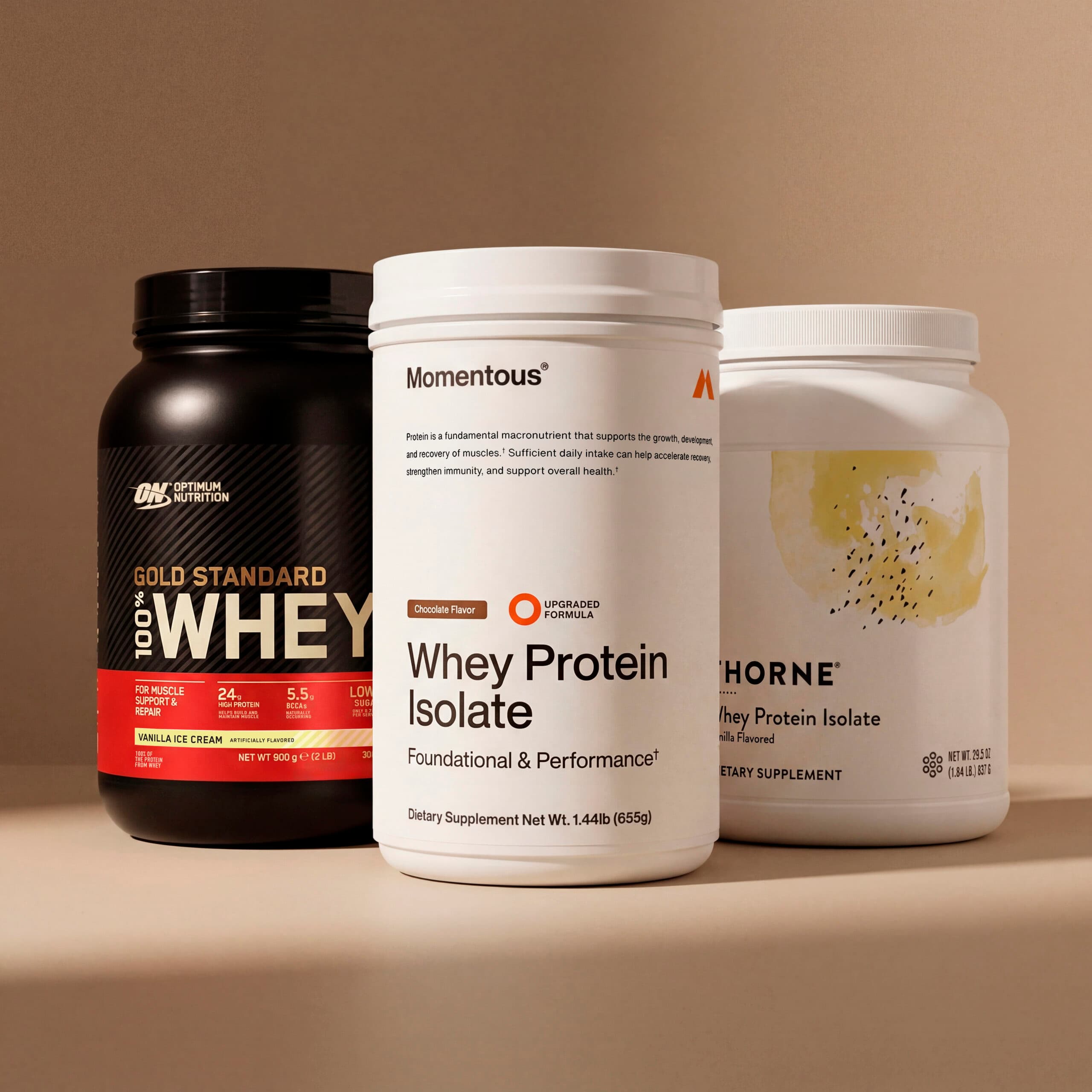
Protein is fundamental to nearly every process in the body, from building and maintaining muscle and bone to supporting brain health and immune function. For people who struggle to meet their protein needs through food alone, protein powder offers a convenient, versatile option that can be blended into smoothies, stirred into oatmeal, or added to baked goods.
Historically used by body builders and competitive athletes, protein powders entered the mainstream in the 1990s when people began using them as meal replacements. Around the same time, concerns about the health and environmental impacts of consuming meat resulted in a surge of vegans and vegetarians, boosting the vegan protein powder market.
Today, there are a vast array of protein powders sold in most grocery stores and pharmacies. Here’s what the science says about how to choose them and use them.
The science
Protein powder is extracted from animal or plant sources, such as: Whey (a main protein within milk); casein (a dairy protein); eggs; beef; soy; peas; hemp seeds; and brown rice
Some protein powders, like whey, are formulated to be broken down by the body quickly, allowing for fast absorption. This can be useful after a workout, in the morning after a fasted state, or as a quick supplement to a low-protein meal. Others, like casein, break down more slowly, and tend to be recommended before bed for muscle repair or during longer fasting states.
Protein breaks down into amino acids, which the body uses to repair and rebuild muscles. This can be particularly helpful for active people after a workout.
The potential benefits
Protein supports our entire body, from sustaining energy levels to strengthening immune function. Consuming protein, including protein powder, also triggers hormones such as GLP-1 to make you feel full.
Insufficient protein consumption and energy availability can result in fatigue, weakness, slow healing, and greater risk of bone fracture. Getting enough protein is especially important as we age to prevent muscle loss, which can restrict physical abilities and negatively impact metabolic health.
The recommended daily allowance of protein in the U.S. is 1.2-1.6g per kilogram of body weight a day. That means the average 150-lb person needs roughly 82 grams of protein a day, and a 150-lb person who does high-intensity workouts regularly should aim for around 108 grams of protein a day.
Many people fall short of even the baseline recommendation, whether due to a busy schedule, a plant-based diet, or other factors. Protein powder is a quick way to increase protein intake and potentially gain other health benefits. For example, some older people experiencing appetite loss use protein powder to fill nutritional gaps to maintain weight and muscle strength.
Some research also points to cardiovascular benefits: Whey-based and soy-based protein supplements may lower blood pressure, but the magnitude of effect is small. Soy-based products have also been shown to decrease serum low-density lipoprotein and triglyceride levels. Pairing protein with carbohydrates during a meal can help blunt post-meal blood sugar spikes, supporting more stable energy levels and potentially reducing one of the risk factors associated with developing type 2 diabetes.
A word of caution
Determine your needs. Not everyone needs protein powders to supplement their protein intake. Surveys find many teens use dietary supplements like protein powders, but nutritionists caution against over reliance on these products since most healthy young adults can get enough protein by eating a well-rounded diet.
Before investing in a supplement, look at how well you’re meeting your nutritional needs. Some people already get the right amount of protein from whole foods like meat, fish, dairy, Greek yogurt, nuts, beans, and tofu. If you're unsure whether you're hitting your targets, keeping a food diary for a week or two can help you gauge whether you need more.
Do your own research. Read labels before buying protein powders. The U.S. has little federal regulation of these products. The U.S. Food & Drug Administration (FDA) does not test or approve protein powders before they're sold.
Watch out for heavy metals. Some protein powder supplements contain heavy metals such as lead, arsenic, and cadmium as well as bisphenol-A (BPA) and other contaminants. Be sure products you buy have independent certification, such as NSF Certified for Sport, US Pharmacopeia (USP), Informed-Choice / Informed-Sport or the Clean Label Project, which validate that products are free from unsafe levels of contaminants and validate what’s on the label.
If you’re consuming plant-based protein powder, it’s even more important to select one that’s third-party tested because, on average, they contain more heavy metals than other protein powders.
Don't overdo it. Like with anything, eating too much protein isn’t a good idea. For people with normal kidney function, high protein intake appears safe. However, high protein intake can impact kidney function in people with chronic kidney disease. Nearly 15% of the U.S. population has chronic kidney disease and most are unaware that they have the condition.
Certain additives commonly found in protein powders can also cause stomach distress if over-consumed.
Avoid hidden sugars. Though they’re touted as health products, some protein powders contain high amounts of sugar to combat the bitter, metallic taste from the amino acids they contain.
Learn the lingo
Shopping for protein powder can be confusing until you get familiar with the jargon used to describe these products. Protein supplements fall into different categories, depending on how they're processed and the concentration of protein in them.
- Concentrates usually contain about 70-80% protein as well as some minerals.
- Isolates contain roughly 90% protein and low amounts of lactose (which is good for those with lactose intolerance or those looking for low-carb dietary supplements).
- Hydrolysate is whey protein that has been broken down for faster absorption (which can be helpful for those with a sensitive stomach).
How to choose the right protein powder
If you’re shopping for protein powder, first consider your goals. Some products are best for those looking to build muscle mass, while others are designed for those seeking weight loss. People following a vegan or vegetarian diet will want to choose 100% plant-based proteins such as soy, pea, or hemp.
Next, learn how to read the nutritional labels. A good rule of thumb is to choose a protein supplement that has 100-200 calories, 20-30 grams of protein, and less than five grams of sugar per serving. In addition, it’s best to use a product that contains a high percentage of proteins with no additives or fillers. Avoid those with artificial sweeteners, such as erythritol or sorbitol, which may be tough to digest. Also, check that the product has one of the third-party certifications mentioned above.
Usage guidelines
Pay attention to serving size. Measure the powder carefully and don’t rely on it for every meal, as this leads to nutrient deficiencies and bloating.
Take any medical conditions into account.
- For those with kidney disease, consult with your physician prior to adding a protein supplement or increasing your protein intake.
- While high-protein diets can help with managing blood sugar, people with diabetes should consult their physician before adding protein powder to their routine. A systematic review of literature suggests that whey protein may help with glycemic control in people with obesity; however, high-sugar protein powders can have the opposite effect. If you have diabetes, select a product that has 5-15 grams of carbohydrates per serving and less than two grams of added sugar. (Tip: Look for labels where sugar is not one of the first three ingredients).
- If you're undergoing chemotherapy or other cancer treatment, consult with your doctor before taking any nutritional supplement to ensure it doesn’t interfere with your medication.
- If you are pregnant or breastfeeding, talk with your doctor about your protein needs.
Product recommendations
The following protein powders have third-party certifications and are low in added sugars. You may need to try a few brands before finding one whose taste and texture you can tolerate.
Momentous NSF Certified for Sport plant and whey protein powder
Optimum Nutrition whey-, casein-, and plant-based protein powder that are Informed-Choice / Informed-Sport certified
Thorne whey- and plant-based protein powder, many of which are NSF Certified for Sport®
Now Sports Informed-Choice / Informed-Sport certified protein powders made from pea, soy, rice, bone broth, whey, casein, and egg white
Transparent Labs protein powders derived from grass-fed whey, plants, and casein
Garden of Life Sport also have options that are vegan, organic, and are a top pick for plant-based protein by Dr. Daniel Angerbauer, a top preventive health physician
The bottom line
Protein powders can be a helpful tool for people who struggle to meet their daily protein needs through diet alone, whether due to a busy schedule, dietary preferences, or low appetite. To maximize health benefits, prioritize products with clean ingredient lists, independent third-party certification, and a nutritional profile that aligns with your health goals.